.jpg)
Small Projects. Big Impact.

You may know Arundel Rivers for our large-scale stream and shoreline restoration projects, but watershed restoration comes in all sizes. Another approach we take to protect our rivers are smaller Best Management Practices (BMPs) woven into neighborhoods, schools, and community spaces. While these projects may be modest in size, they play an important role in reducing pollution, improving habitat, and keeping our waterways healthy.
Stormwater Best Management Practices (BMPs) are more common than you might think. Rain gardens, stormwater ponds, wetlands, conservation plantings, bioswales, and bioretention areas all share the same purpose: slowing stormwater runoff so it can soak into the ground instead of rushing directly into our rivers. As stormwater infiltrates the soil, it is naturally filtered, allowing pollutants to be removed while also replenishing groundwater supplies.
This work is critical because stormwater runoff is one of the largest sources of pollution in our waterways. When rain falls on hard surfaces like roads, sidewalks, and parking lots, it can't soak into the ground. Instead, it carries fertilizer, oil, sediment, trash, and other pollutants into nearby streams and rivers.
Here are just a few of the BMP projects we've completed or advanced so far this year:
The Key School Bioretention Project

Construction is underway on new bioretention areas at The Key School, where persistent drainage issues around the Beach Field created standing water after storms. Once complete, these landscaped areas will capture and filter runoff before it leaves the property. This fall, students will join us to plant the bioretention areas with native species, turning the project into both a practical stormwater solution and a hands-on learning opportunity.
Whether it's restoring a shoreline, planting a rain garden, or revitalizing a wetland, every restoration project helps move us toward healthier rivers. These smaller BMP projects may not always make headlines, but together they reduce pollution, improve wildlife habitat, and make our communities more resilient—one project at a time.
Chrysalis House Rain Gardens
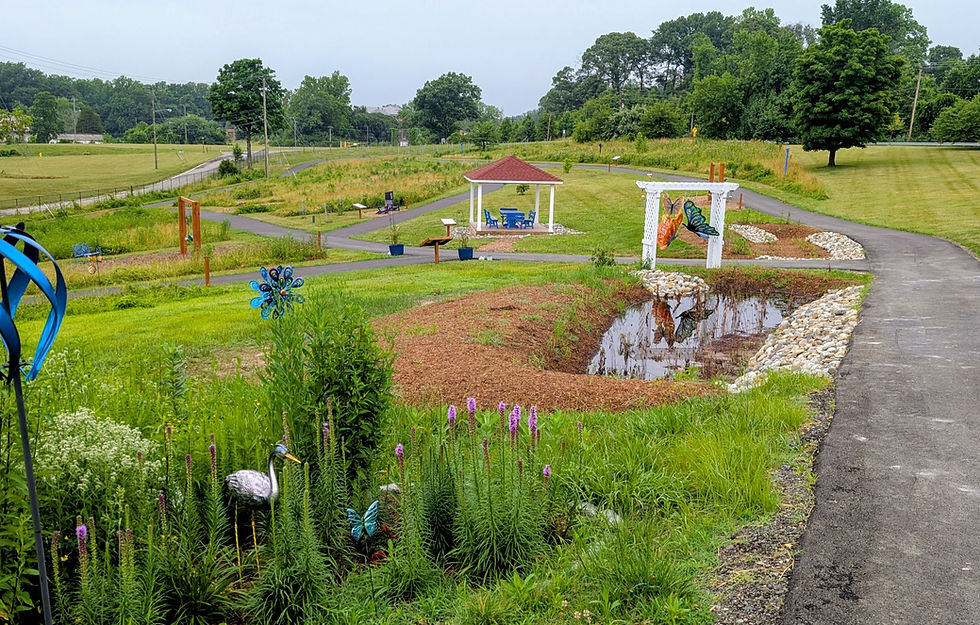
In partnership with Chrysalis House, Arundel Rivers installed three rain gardens at the entrance to the organization's new therapeutic nature trail. Because the trail sits below a parking lot, stormwater regularly flowed across the path during rain events. The new rain gardens now capture and slow that runoff, allowing the first flush of rainfall—which often contains the highest concentration of pollutants—to filter through the soil before reaching local waterways. These gardens also create a more welcoming and peaceful entrance for women using the trail as part of their recovery journey.
Galesville Heritage Museum Wetland Restoration

Arundel Rivers partnered with the Galesville Heritage Society to restore a natural wetland on the Heritage House property that is recognized by the Maryland Department of the Environment. After years of invasive plant growth, the wetland was no longer functioning as it should. By removing invasive species and replanting with native vegetation, we're restoring valuable habitat while creating a space that will support environmental education and demonstrate the important role healthy wetlands play in protecting our rivers.
Visit arundelrivers.org/community-projects to learn more about our community stormwater restoration efforts and BMPs.
Do you have a space that might be a good fit for a rain garden, bioswale, or other BMP in your community? We'd love to see it! Email us at info@arundelrivers.org.


